
The Art of Choosing the Perfect Coffee Table for Your Living Space
News
Jun 04,2026
---
A coffee table is more than just a piece of furniture; it serves as a focal point in your living room, providing functionality and style. As one of the key elements in furniture arrangements, understanding the types, materials, and styles of coffee tables can help you make an informed choice that complements your space.
When selecting a coffee table, consider the size of the room and the existing furniture. A coffee table should ideally be proportionate to the seating arrangement around it. The standard height for a coffee table is between 16 to 18 inches, which allows for comfortable reach from a sofa or chair. It’s essential to ensure that the table is not too tall or too low, as this can disrupt the flow of conversation. For larger spaces, you might opt for a more substantial table, while smaller rooms may benefit from a sleek or minimalist design.
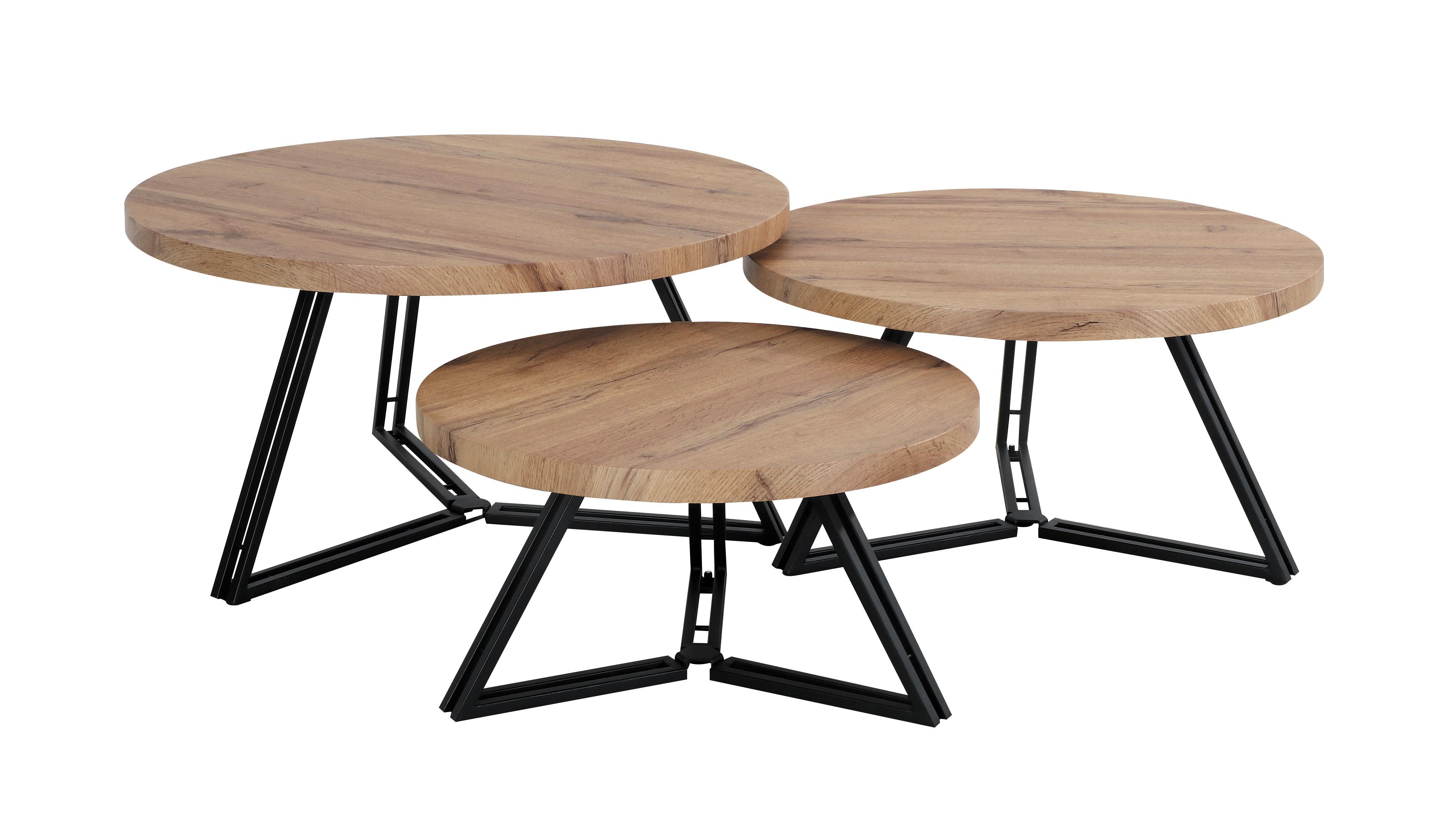
In terms of materials, coffee tables come in a variety of options, each with its unique benefits. Wooden coffee tables offer warmth and a classic aesthetic, while glass-topped tables provide a sense of openness and can make a small space feel larger. Metal tables often bring a modern edge, and upholstered options can add softness to your décor. Additionally, consider the maintenance required for each material; for instance, a glass table may require frequent cleaning to avoid fingerprints, while wooden surfaces may need occasional polishing.
The style of the coffee table can greatly influence the overall vibe of your living space. From traditional to contemporary, there’s a myriad of designs available. A rustic coffee table with distressed finishes can create a cozy, farm-style atmosphere, while a sleek, modern table with clean lines can introduce an element of sophistication. Additionally, consider multifunctional tables, such as those with storage capabilities or convertible features, which can cater to various needs.
Placement is another critical factor. Ideally, a coffee table should be positioned about 18 inches away from your seating to provide ample space for movement and comfort. Be mindful of the surrounding décor and ensure that the table complements the color palette and style of the room. Accessories like books, decorative trays, or fresh flowers can enhance the aesthetics of your coffee table and showcase your personality.
In conclusion, a coffee table is an essential piece in any living space, combining functionality with style. By considering size, material, design, and placement, you can select a coffee table that not only meets your practical needs but also enhances the aesthetic appeal of your home. As you embark on this journey of choosing the perfect coffee table, remember to think about how it will harmonize with your lifestyle and the overall design of your space.
A coffee table is more than just a piece of furniture; it serves as a focal point in your living room, providing functionality and style. As one of the key elements in furniture arrangements, understanding the types, materials, and styles of coffee tables can help you make an informed choice that complements your space.
When selecting a coffee table, consider the size of the room and the existing furniture. A coffee table should ideally be proportionate to the seating arrangement around it. The standard height for a coffee table is between 16 to 18 inches, which allows for comfortable reach from a sofa or chair. It’s essential to ensure that the table is not too tall or too low, as this can disrupt the flow of conversation. For larger spaces, you might opt for a more substantial table, while smaller rooms may benefit from a sleek or minimalist design.
In terms of materials, coffee tables come in a variety of options, each with its unique benefits. Wooden coffee tables offer warmth and a classic aesthetic, while glass-topped tables provide a sense of openness and can make a small space feel larger. Metal tables often bring a modern edge, and upholstered options can add softness to your décor. Additionally, consider the maintenance required for each material; for instance, a glass table may require frequent cleaning to avoid fingerprints, while wooden surfaces may need occasional polishing.
The style of the coffee table can greatly influence the overall vibe of your living space. From traditional to contemporary, there’s a myriad of designs available. A rustic coffee table with distressed finishes can create a cozy, farm-style atmosphere, while a sleek, modern table with clean lines can introduce an element of sophistication. Additionally, consider multifunctional tables, such as those with storage capabilities or convertible features, which can cater to various needs.
Placement is another critical factor. Ideally, a coffee table should be positioned about 18 inches away from your seating to provide ample space for movement and comfort. Be mindful of the surrounding décor and ensure that the table complements the color palette and style of the room. Accessories like books, decorative trays, or fresh flowers can enhance the aesthetics of your coffee table and showcase your personality.
In conclusion, a coffee table is an essential piece in any living space, combining functionality with style. By considering size, material, design, and placement, you can select a coffee table that not only meets your practical needs but also enhances the aesthetic appeal of your home. As you embark on this journey of choosing the perfect coffee table, remember to think about how it will harmonize with your lifestyle and the overall design of your space.
Latest News